Edtech Learning
Our Technology: What Powers SmartSelf
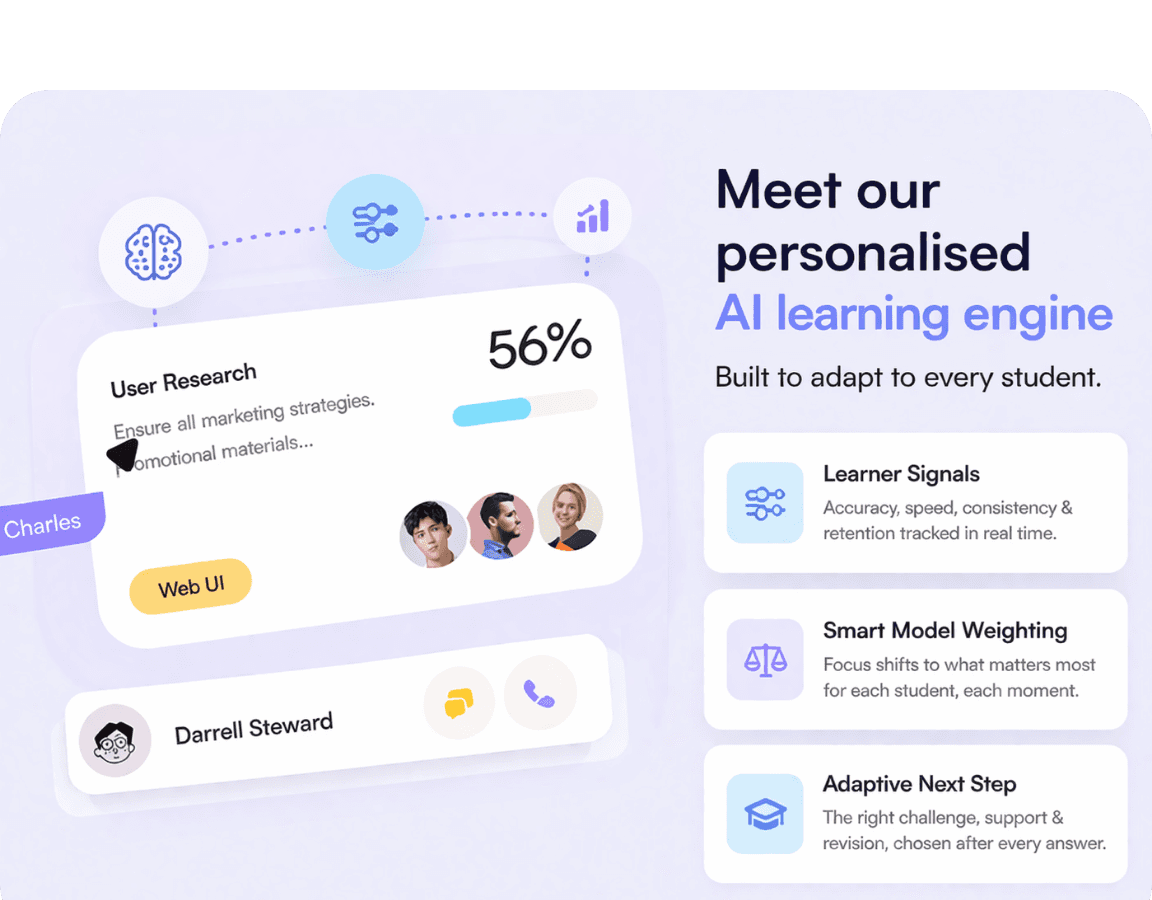
Our AI learning engine — built to adapt to every student.
The Problem with Traditional Learning
Traditional learning systems are static. They usually follow set lesson orders, fixed revision schedules, and the same pace for everyone. But real learning does not work like that. Memory fades over time, students forget things at different speeds, and two students who get the same result today may remember very different amounts later on.
That's why created SmartselfAi!
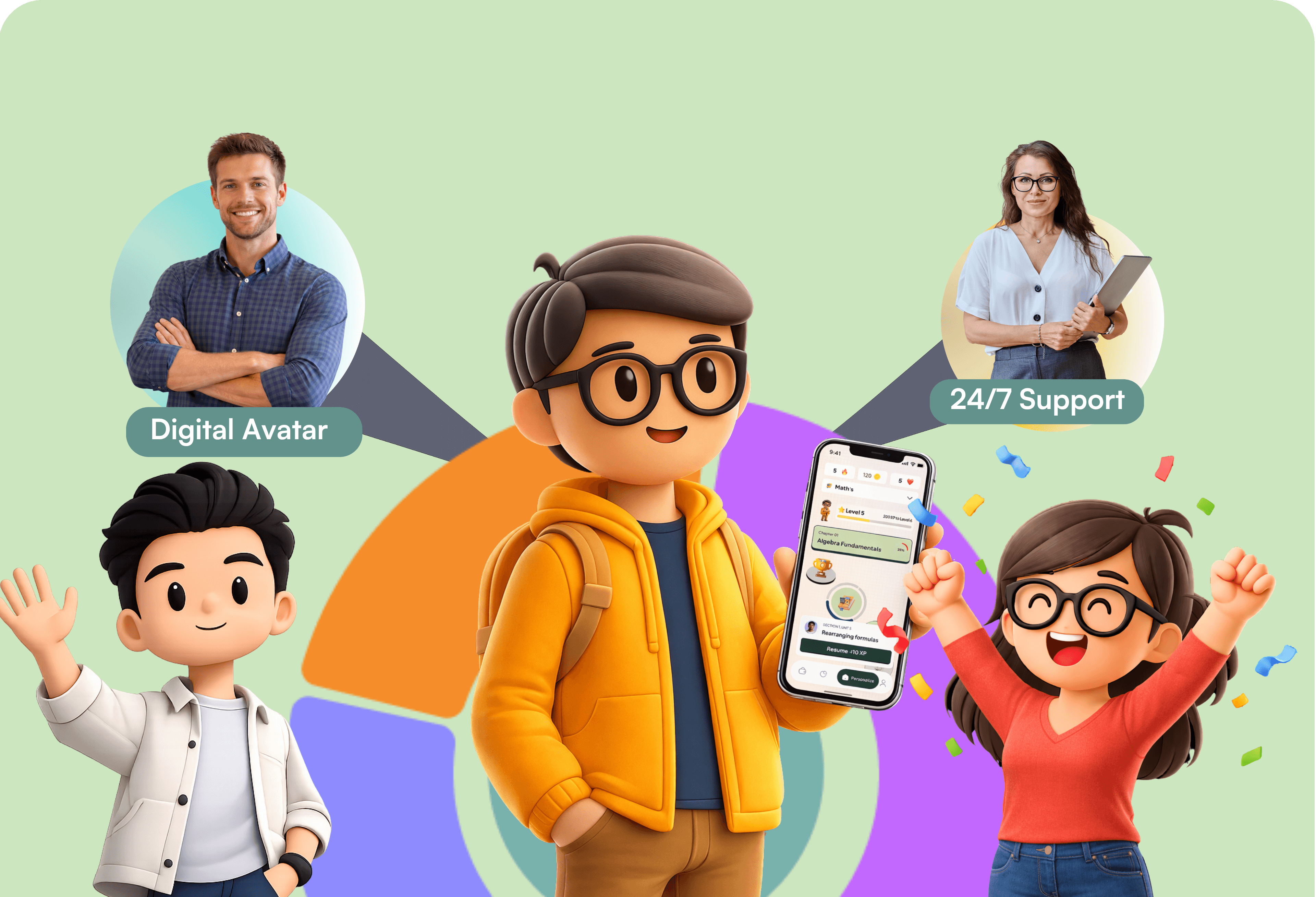
SmartSelf is a personalised science and maths learning app that both teaches and adapts. It combines a Duolingo-style learning journey with your own personalised 3D tutor. Instead of putting every student through the same fixed path, SmartSelf uses learning data to decide what they should focus on next, when they should review key concepts, and how challenging each step should be.
To make those decisions intelligently, SmartSelf uses predictive memory modelling. At the centre of this is FSRS, a spaced repetition model that estimates when a student is likely to forget something. In simple terms, the more time that passes, the more a memory begins to fade, but how quickly that happens depends on how strong that memory was to begin with.
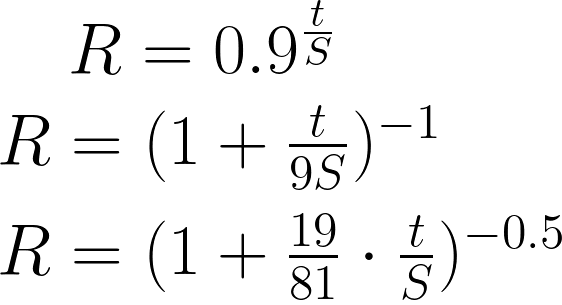
The formulas above show this idea in a mathematical way. They explain that retention changes over time, and that stronger memories last longer before they start to fade. SmartSelf uses this to work out the best time to bring a topic back, so revision happens when it is most useful, not too early and not too late. For students, this becomes especially helpful as exam time gets closer, because it helps them focus more on the topics they are most likely to forget. This makes revision more efficient, helps keep important knowledge fresher, and reduces time wasted going over things they already remember well.
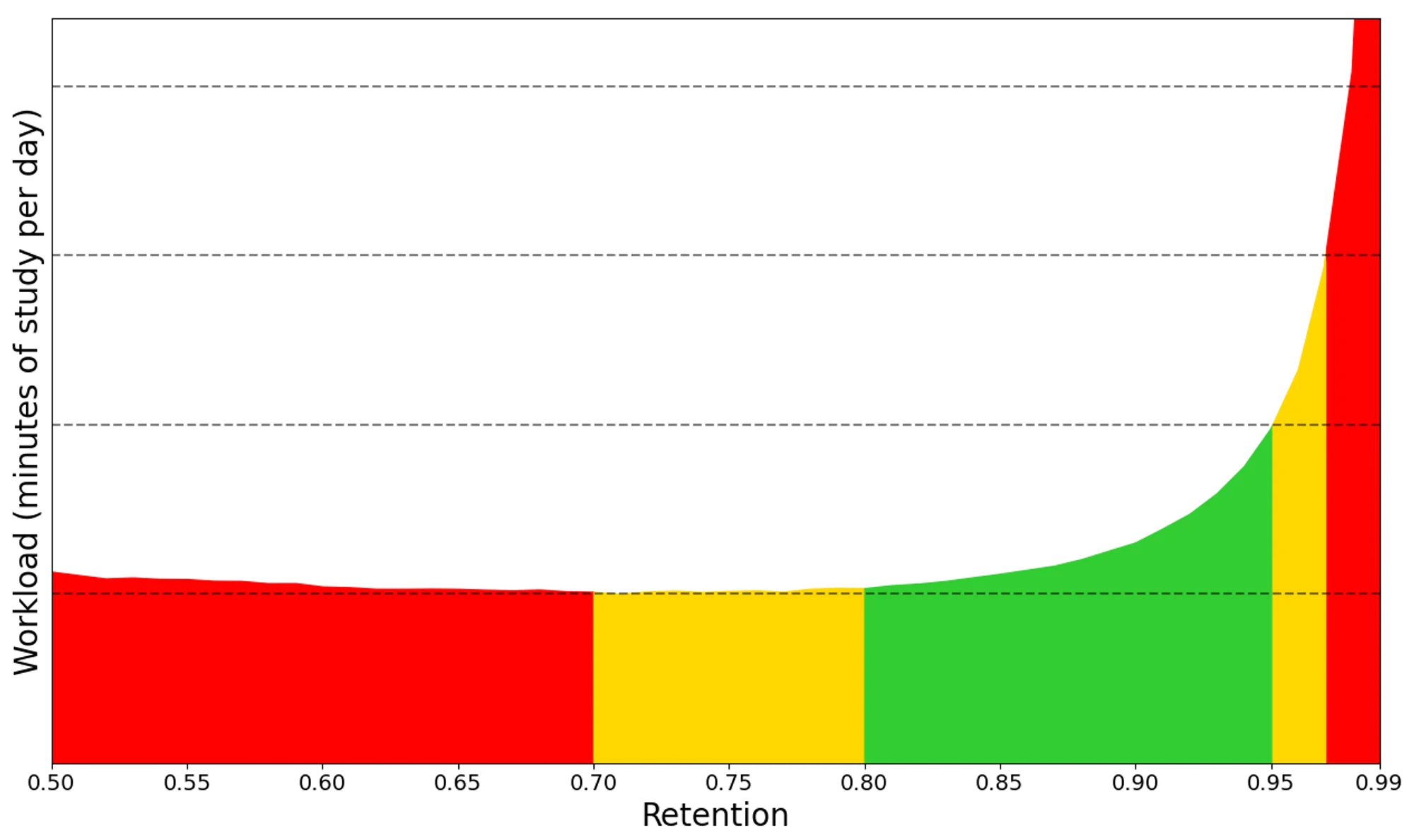
The graph shows the same idea in a simpler way. It shows that there is a best range where retention stays high without creating too much extra study workload. If revision happens too early, it can become inefficient. If it happens too late, the student may forget too much. FSRS helps SmartSelf find the right balance. Alongside this, SmartSelf also uses IRT, or Item Response Theory. This helps the system understand both student ability and question difficulty. Check out the equation below! P.s If this seems complex, don’t worry. In simple terms, applying this across multiple questions helps SmartSelf work out a student’s ability level by looking at which questions they answer correctly and which they struggle with, so it can help them learn more efficiently.
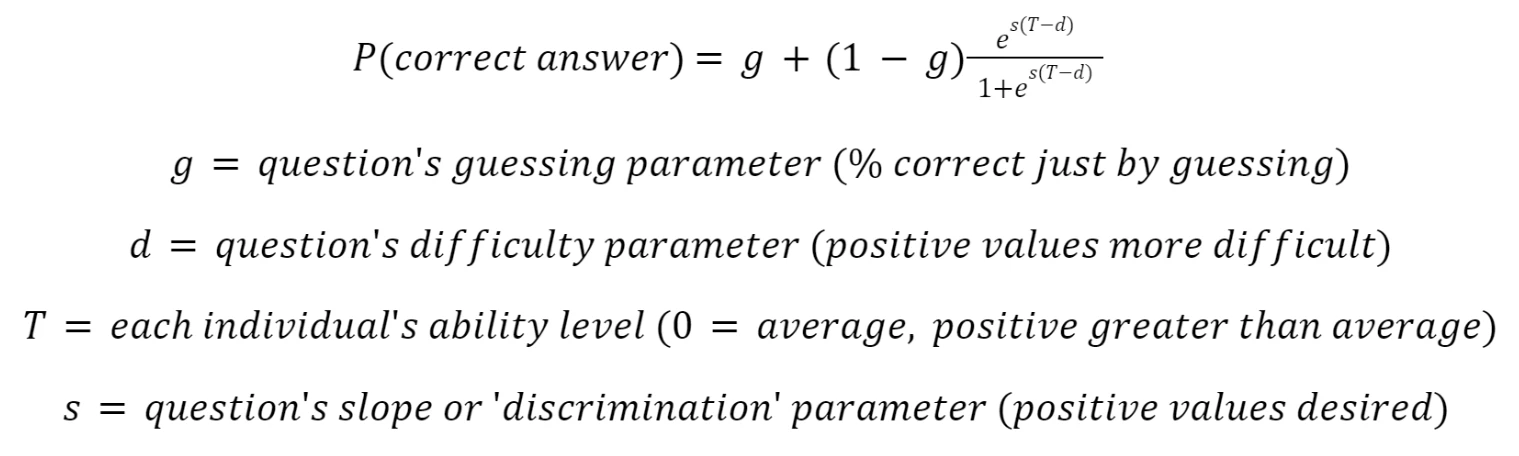
As students use the platform, SmartSelf builds an evolving learner profile (vector score) based on things like accuracy, speed, consistency, and much more. This gives the system a better understanding of how secure a student’s knowledge really is, not just whether they got one answer right or wrong.
To build on this, SmartSelf also uses Deep Knowledge Tracing (DKT), a nueral network model designed to understand how a student’s knowledge changes over time. You can think of it as SmartSelf gradually building a digital picture of the student’s mind. When a student first starts using the platform, the system is effectively looking at a blank brain — it does not yet know which concepts are secure, which are weak, or how stable that knowledge really is. As the student answers more questions, that picture becomes clearer.
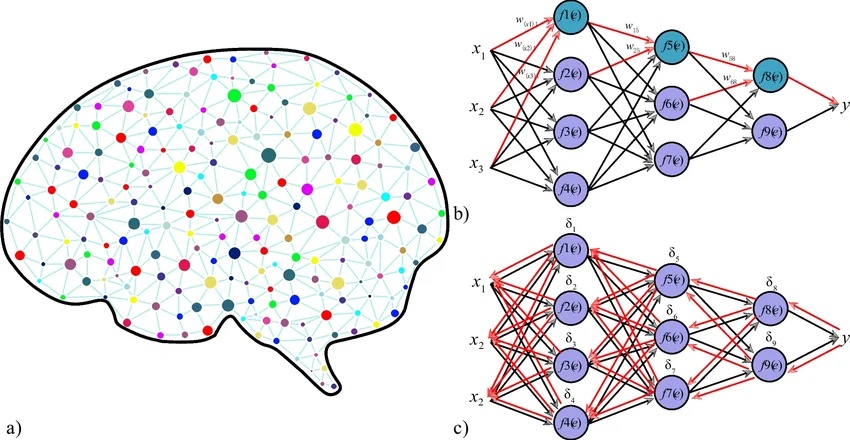
All of this feeds into SmartSelf’s decision-making engine, which works out the best next step for each student after every interaction. It does this by looking at multiple signals at once, such as how well the student is performing, how quickly they are answering, what they are most likely to forget, and how difficult the next task should be. These signals are not all treated equally. The system uses model weighting, which means it gives more importance to the factors that matter most in that moment. For example, if a student is close to forgetting a topic, memory and retention may be weighted more heavily. If the student is clearly struggling with the difficulty of a question, ability and challenge level may matter more. By weighting different parts of the model in different ways, SmartSelf can make more accurate decisions about what the student should see next.
This creates a continuous feedback loop where the system keeps learning from the student over time. Every answer gives the app more information, helping it refine the pathway and make better decisions. The result is a learning journey that stays personalised, efficient, and responsive to the student as they progress.
SmartSelf is built around one clear idea: better learning happens when the system adapts to the individual. By combining FSRS, IRT, and real-time learner modelling, SmartSelf turns that idea into something practical for everyday tutoring.
Saad Hussain (Founder)
Related articles
Check out our latest articles, news and updates!